+8750013366, 9319101855 | www.theacuvedic.com
Experience the ancient art of acupressure therapy

What is Acupressure?

Acupressure is a traditional healing technique rooted in Chinese medicine. It involves applying finger pressure to key points along the body’s meridians (energy pathways) to stimulate the body's natural healing abilities. Unlike acupuncture, acupressure is non-invasive and does not involve needles.

Acupressure therapy is a holistic healing practice that promotes natural wellness and balance in your body. Acupressure uses gentle pressure on specific points to release tension, improve circulation, and restore energy flow.

Benefits of Acupressure

  • Pain Relief – Helps with headaches, back pain, arthritis, and muscle tension.
  • Stress Reduction – Promotes relaxation and reduces anxiety.
  • Improved Circulation – Enhances blood flow and oxygen delivery to tissues.
  • Digestive Support – Eases nausea, indigestion, and bloating.
  • Boosts Immunity – Strengthens the body's defense mechanisms.
  • Balances Energy (Qi) – Restores harmony in the body’s energy flow.
  • Better Sleep – Helps with insomnia and sleep disorders.
 

How it works

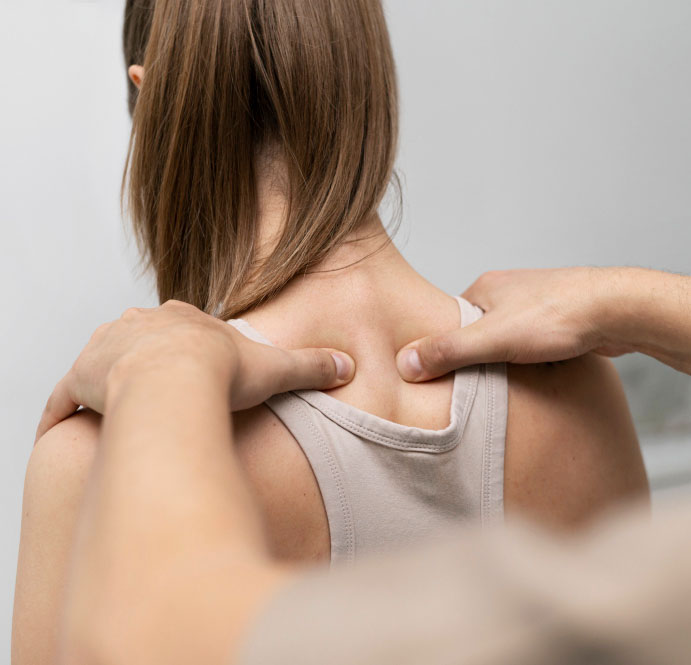
During an acupressure session, a trained therapist applies gentle to firm pressure using their hands, fingers, elbows, or specialized tools. Each session is customized to your needs, focusing on key acupoints to release blockages and restore harmony within your body.

Common Acupressure Points
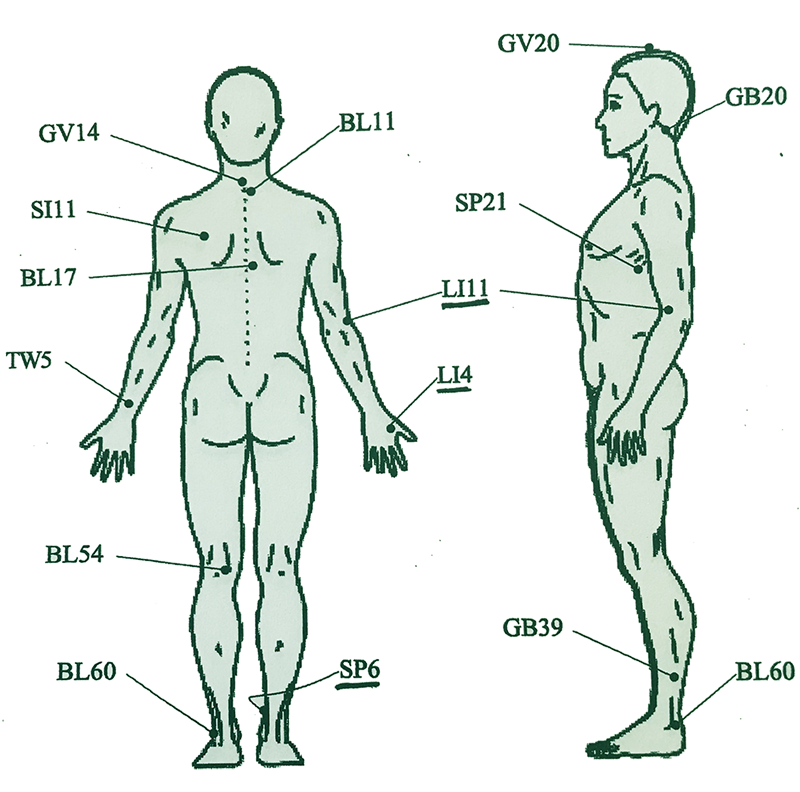
  • LI4 (Hegu) – Between thumb and index finger; good for headaches and stress.
  • PC6 (Nei Guan) – Inner forearm near the wrist; relieves nausea and anxiety.
  • LV3 (Tai Chong) – On the foot between the first and second toes; aids liver health and relaxation.
  • SP6 (San Yin Jiao) – Above the inner ankle; benefits digestion and reproductive health.
  • GV20 (Bai Hui) – On top of the head; improves focus and mental clarity.
 

Who Shouldn't Use Acupressure Therapy?

  • Pregnant Women – Certain acupressure points can stimulate uterine contractions and may lead to complications during pregnancy.
  • People with Bleeding Disorders – Those with conditions like hemophilia or who take blood thinners should avoid acupressure as it may increase the risk of bruising or excessive bleeding.
  • Individuals with Fractures or Severe Injuries – Applying pressure to areas with fractures, sprains, or deep wounds can worsen the injury and delay healing.
  • People with Severe Osteoporosis – Acupressure may put pressure on bones and could increase the risk of fractures in individuals with weakened bones.
  • Those with Severe Skin Conditions – Individuals with burns, infections, eczema, or other skin conditions should avoid acupressure in affected areas.
  • People with Cardiovascular Issues – Acupressure may impact blood circulation and heart rate, which could be risky for those with serious heart conditions.
  • Individuals with Neurological Disorders – People with conditions like epilepsy or nerve damage should consult a doctor before using acupressure, as it may trigger adverse reactions.

Make Appointment